From Rescue to Retail: How Shelters Are Turning Social Enterprise into Big Lifesaving Wins
Written by Julie Bank, Shelter Consultant
If you’ve spent any time in animal welfare, you know the rhythm: the needs are constant, the resources are not. Donations surge, then stall. Grants come through until they don’t. Adoption fees help but never quite close the gap. Running a shelter means navigating a financial landscape that changes by the week, even as the animals and the community continue to rely on you.
The Power of Social Enterprise
That’s why more organizations are turning to social enterprises. A social enterprise is a revenue-generating business that directly supports the mission while strengthening long-term stability. One of the most accessible and impactful? Retail.
A shelter-run store isn’t just a place where people buy pet supplies; it’s a mission engine, a community gateway, and a powerful adopter, donor, and volunteer pipeline.
1. Start Small and Learn the Market
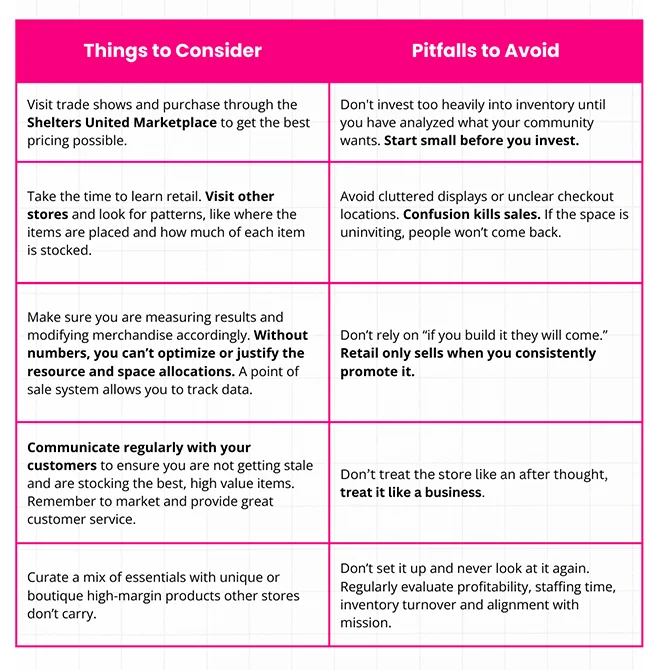
Many successful shelter retail programs start with something small. The first step is to take the time to learn retail: how people buy and what they want.
- The Pilot Phase: Begin with a single table in the lobby or a compact shelving unit at adoption events. This low-risk pilot helps you understand what people reach for.
- Essential Inventory: Focus on items like collars, leashes, enrichment toys, training basics, treats, and grooming tools (you can find these at the Shelters United Marketplace).
- Observe and Test: Starting small lets you observe buyer behavior and test price points before making a bigger investment.
💡 Pro Tip: Avoid over-purchasing untested items or relying on donated goods for retail stock. Items are usually donated for a reason, and they rarely match customer demand.
2. Expanding Intentionally
Once you’ve learned what your community wants, you can expand. A thriving retail mix includes high-margin products like branded apparel, specialty chews, and locally made goods, paired with everyday essentials.
Sourcing and Strategy
- Be a Destination: Offer items that big-box stores don’t carry to make your shop a unique stop for supporters.
- Strategic Partnerships: Use wholesale partnerships and programs like Shelters United to source quality items at competitive prices.
- Mission-Driven Merchandising: Use signage like “Every purchase supports homeless pets” to shift the shopping experience into a “mission moment.”
3. The Science of the Shop
The most successful shelter shops create a clear identity through thoughtful organization.
- Intuitive Layout: Group products into categories like “New Dog Essentials” or “Cat Enrichment” to make browsing easier.
- Cleanliness Matters: Keep displays well-lit and uncluttered to increase sales.
- Visibility: Place high-margin items in the most visible areas.
- Trained Teams: Staff and volunteers trained in restocking, pricing, and merchandising make a major difference. Exceptional customer service at the front desk often determines whether a shopper becomes a lifelong supporter.
A Short Story: The Shopper Who Didn’t Want to Walk Into a Shelter
When one shelter launched its tiny retail pilot, they hung a simple sign out front: “Pet Supplies Sold Here. All Proceeds Help Shelter Pets.”
One afternoon, a woman who lived in the next town pulled in. She was out of dog food, and her usual big-box store had closed early. She had never been to a shelter before; she pictured something sad and heavy, and she almost didn’t get out of the car. But the retail entrance was separate, bright, and un-intimidating, so she took a chance.
Inside, she found a clean, cheerful space with a friendly staff member who greeted her warmly. While someone helped her choose the right food, she wandered the shelves, surprised to find unique items she’d never seen elsewhere, locally made treats, enrichment puzzles, beautifully crafted collars, and quirky toys that felt more boutique than “shelter.”
When she checked out, she was asked if she wanted to round up to help the animals. She did. And then she came back and did it again. Her quick “emergency” visit soon became her preferred stop for pet supplies. She signed up for the shelter’s newsletter, became a recurring donor, and about a year later, after arriving terrified to walk for the first time, she adopted a cat who had been waiting for a home.
That tiny retail nook didn’t just sell a bag of dog food. It created a lifelong supporter.
That shelter eventually outgrew its little corner. As sales increased and interest grew, they carved out more prominent space near the entrance, transforming it into a full-service retail shop with a wider selection and dedicated displays.
4. Systems and Data: Running it Like a Business
Professional Tools
Budgeting for Success
Create a separate budget line for retail. This allows you to evaluate profitability clearly and share your story with your board. Track metrics such as:
- Monthly revenue and top-selling products.
- Foot traffic and staffing time.
- Cost-versus-return.
🤔 Ask yourself: Is the store making enough revenue for the time invested? Do we need more space? Are we balancing mission with revenue effectively?
5. Marketing and Growth
Even the most beautiful store won’t flourish in silence. Successful programs weave promotion into everyday operations:
- Digital Presence: Highlight products on social media and in email newsletters.
- Internal Referrals: Encourage adoption counselors to refer new pet parents to the shop.
- Consistency: People don’t buy from a program they don’t remember. Keep your retail messaging consistent in all fundraising appeals.
The Big Picture: Beyond the Bottom Line
Shelter retail is more than just a revenue source; it’s a bridge to your community. It transforms the hesitant visitor into a curious shopper, the shopper into a donor, and the donor into a permanent adopter.
Retail doesn’t just boost income, it builds relationships and strengthens stability. It turns everyday purchases into everyday lifesaving. And it all starts with a small table, a thoughtful idea, and a sign that makes someone stop long enough to walk inside.